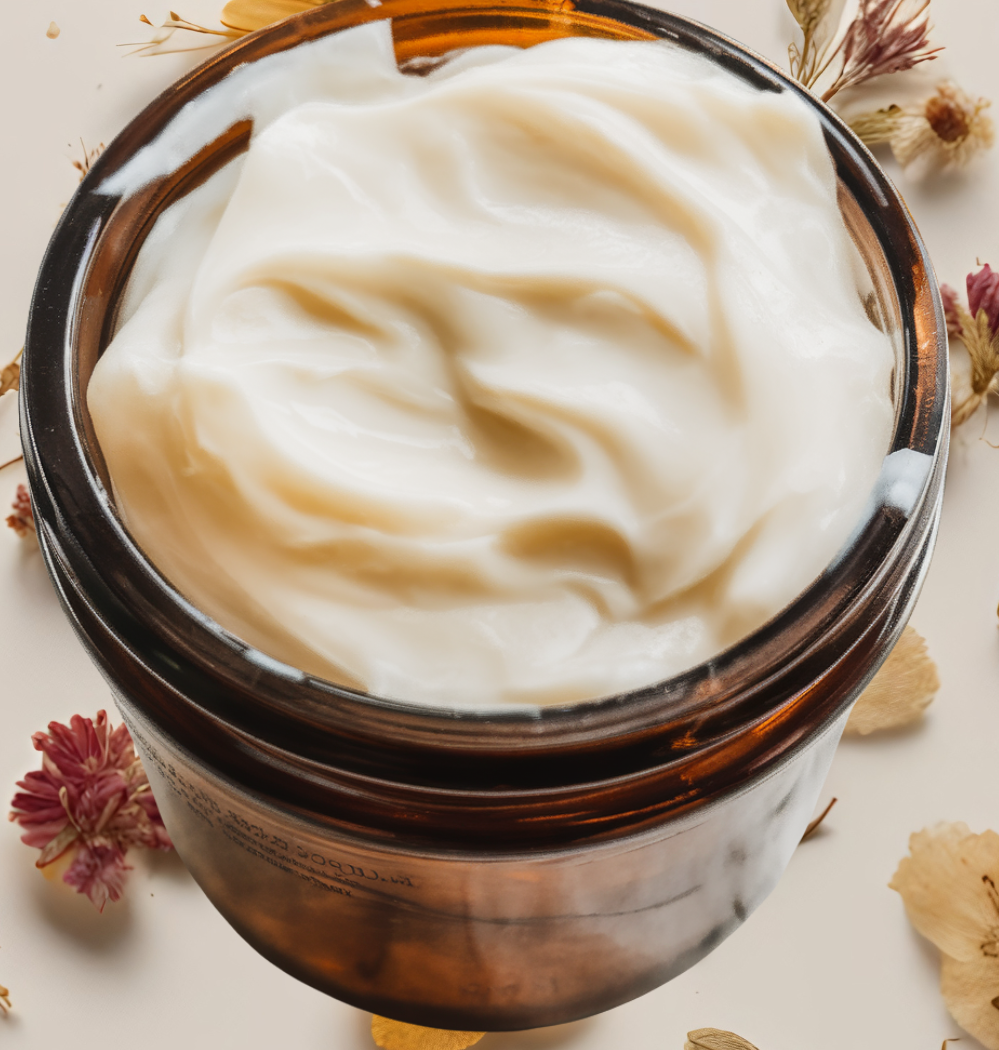
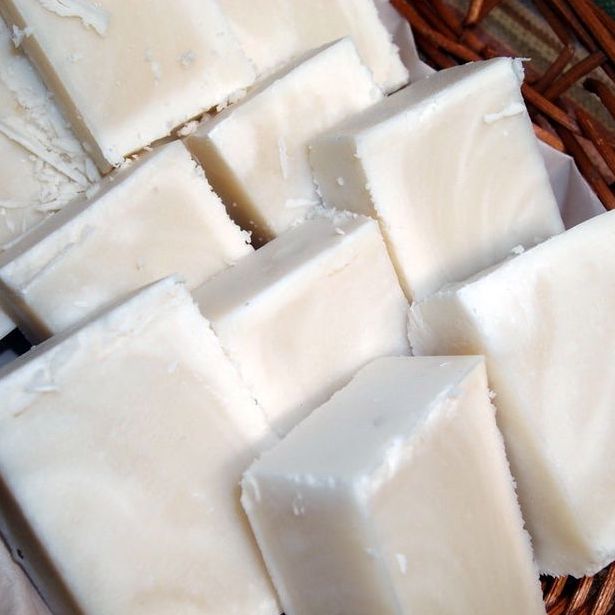
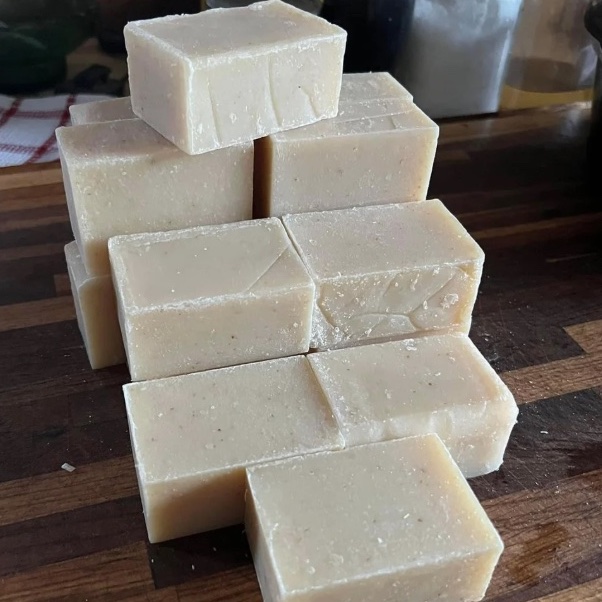
Beef Tallow Recipes are making a comeback, not only in the kitchen but also in natural skincare routines. From nourishing face creams, lip balms, and body lotions to golden fries and flaky pie crusts, tallow is a versatile ingredient with benefits that reach far beyond tradition. Creating your own recipes at home means you can enjoy deeply moisturizing skincare products free from synthetic chemicals, as well as wholesome meals that are packed with flavor and nutrients. By exploring beef tallow recipes for both skincare and cooking, you gain the freedom to DIY affordable, sustainable, and effective solutions that support your health, beauty, and budget—all with one simple, time-tested ingredient.
Why Use Beef Tallow in Your Recipes?
- Nutrient-Rich & Skin-Friendly: Beef tallow is packed with vitamins A, D, E, and K, plus fatty acids that closely match human sebum, making it highly nourishing for skin.
- Chemical-Free Living: By making your own skincare or meals with tallow, you avoid synthetic additives, preservatives, and seed oils common in commercial products.
- Cost-Effective: Rendering beef fat into tallow and using it for DIY lotions, balms, or cooking oil can save money compared to buying specialty creams or premium cooking fats.
- Sustainable & Traditional: Using all parts of the animal—including fat—honors old-fashioned homesteading practices and reduces waste.
- Versatile Everyday Use: Tallow works equally well in the kitchen for frying and baking as it does in skincare for moisturizing face, lips, and body.
Beef Tallow Recipes
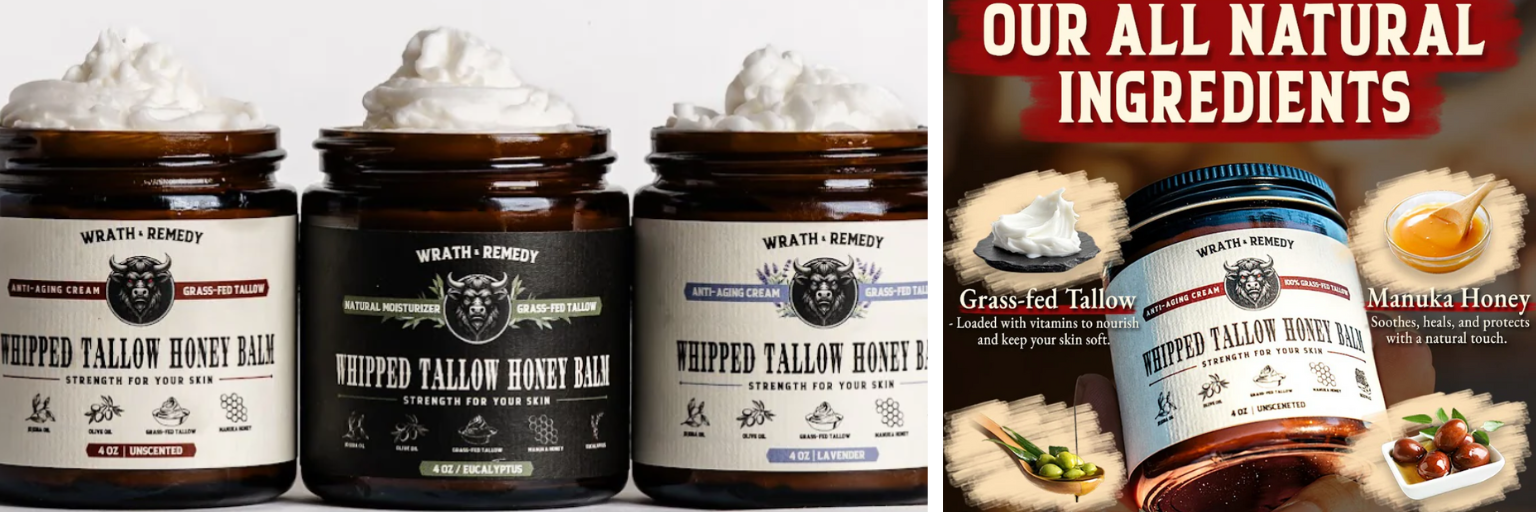
Below, you will find a collection of tallow face cream recipes, tallow lotion recipes, tallow lotion bar recipes, tallow soap recipes, and tallow food recipes that you can try out. These recipes are well tested, however you can make them your own by adding variations as you like.
Tallow Face Cream Recipes
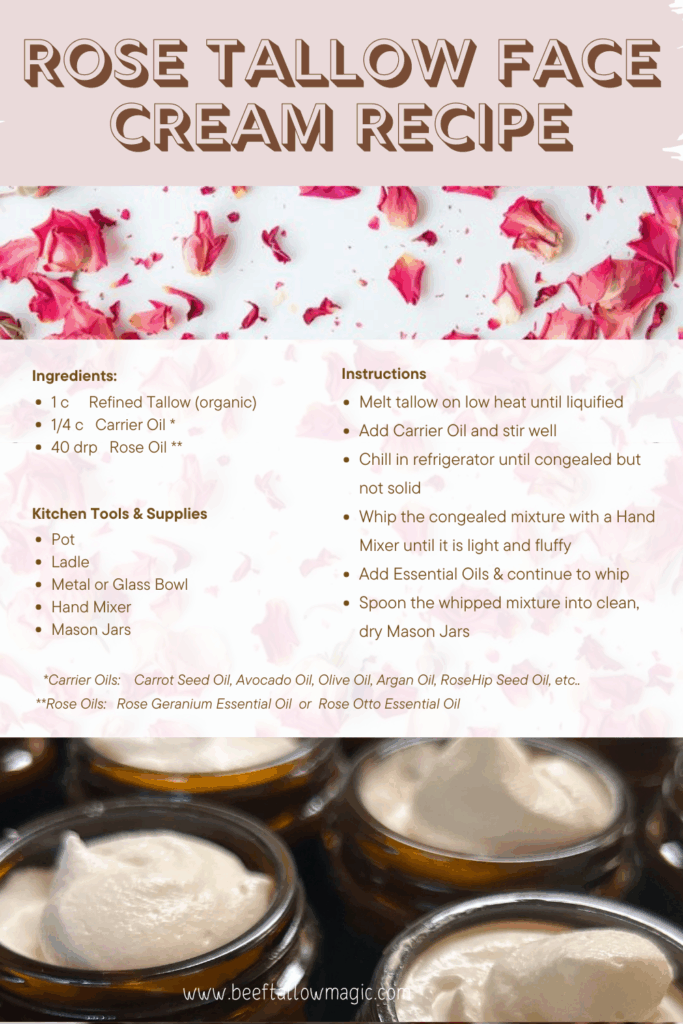
Here are 3 face cream recipes: a therapeutic one with castor oil, honey-based, and a floral version with rose oil:
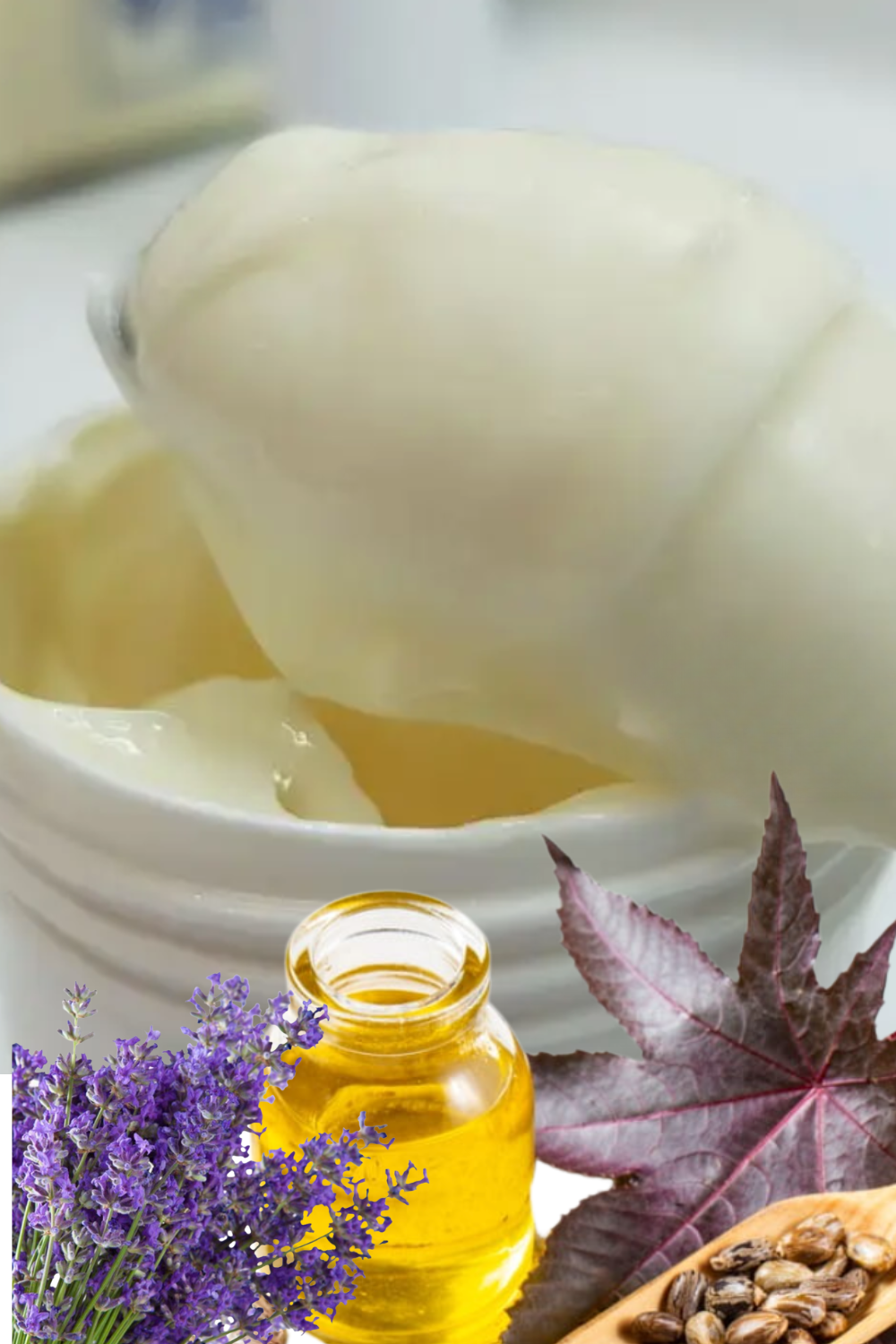
Tallow Face Cream Recipe (with Castor Oil)
Ingredients
- ½ c Beef Tallow (softened )
- 2 tbsp Castor Oil
- 30 drps Essential Oil
Essential Oils: lavender, frankincense, helichrysum
Equipment Needed
- Double boiler
- Immersion blender
- Digital scale
- Heat-resistant glass bowls or measuring cups
- Long-handled spoon or spatula
- Thermometer (optional, for adding essential oils)
- 8 oz Mason jars
Instructions
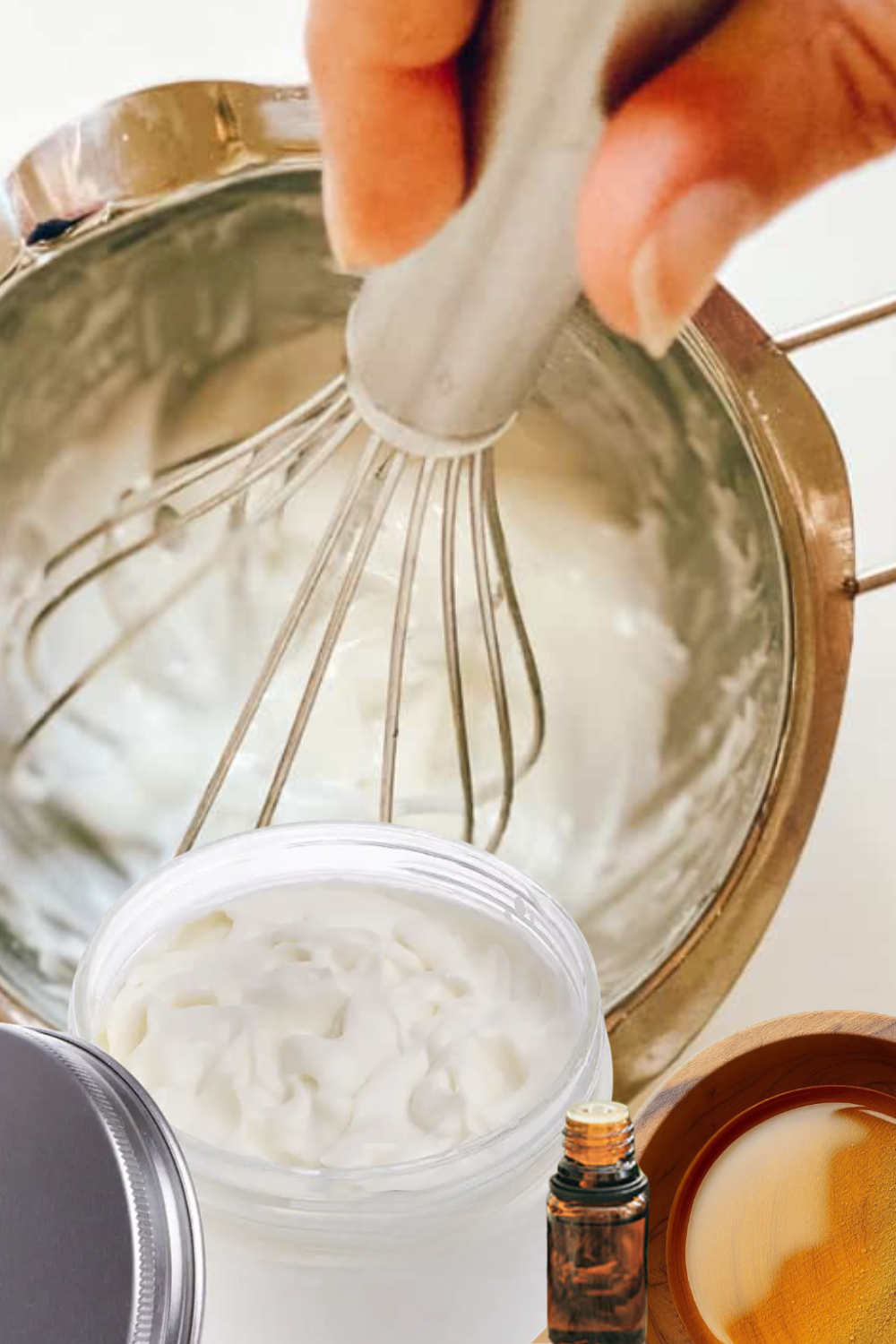
- Whip the tallow: Place the tallow in a mixing bowl and beat with a hand or stand mixer until fluffy.
- Add the castor oil: Slowly drizzle in the castor oil while continuing to whip until fully combined.
- Blend in essential oils: If using, add your essential oils at this stage and whip briefly to incorporate.
- Store: Transfer the cream into a clean jar and store in a cool, dry place. A small amount goes a long way.
Tips & Troubleshooting
- Castor oil has a history of use in skincare for its healing and hydrating effects.
- Castor oil is rich in ricinoleic acid providing anti-inflammatory and antimicrobial properties.
- Apply a pea-sized amount to clean skin, morning or evening.
- This cream works well on the face, neck, and even around the eyes.
- For added benefits, infuse your tallow with herbs like calendula or lavender before making the cream.
- This recipe makes about 6 ounces of face cream. Use a clean jar with a lid for storage.
Final Thoughts
- With its simple ingredients and powerful results, this DIY castor oil & tallow face cream recipe is a must-have for anyone seeking natural skincare.
- It nourishes deeply, calms irritation, supports elasticity, & cleanses.
- Massage a small amount onto a freshly washed face before sleep. Or use it anywhere you want your skin looking firm, hydrated, and glowing. A little goes a long way.
Tallow Face Cream Recipe (with Honey)
Ingredients
- ½ c. Beef Tallow (grass-fed)
- ½ tbsp Honey Raw (Manuka)
- 1 tbsp Carrier Oil
- 1 tbsp Shea or Cocoa butter
- 8 drps Essential Oil
- ½ tsp Vitamin E Oil
Essential Oils: Lavender, Rosehip, Tea-Tree
Carrier Oils: Jojoba, Olive, Avocado
Equipment Needed
- Double boiler or heat-safe bowl over a pot
- Hand mixer or whisk
- Clean glass jars or tins for storage
Instructions
- Render and melt the tallow: If you don’t have pre-rendered tallow, slowly heat beef leaf fat until liquid and strain impurities. For skincare, purify it further to remove odors.
- Melt the base: In a double boiler, combine tallow, liquid oil, and shea or cocoa butter (if using). Stir gently over low heat until melted.
- Add honey and extras: Remove from heat, let cool slightly, then whisk in honey, vitamin E, and essential oils. Mix thoroughly to ensure honey blends evenly.
- Whip or pour: For a fluffy cream, whip with a hand mixer until light and airy. For a balm, pour directly into jars before solidifying.
- Store: Transfer to jars and keep in a cool, dry place. Balm will last up to 12 months if stored properly.
Tips & Variations
- If the balm feels sticky, reduce honey or whip longer for a fluffier texture.
- A pea-sized amount is enough for the whole face—apply to slightly damp skin to lock in hydration.
- For sensitive skin, start without essential oils and add later if tolerated.
Final Thoughts
This whipped tallow face cream recipe is a game-changer for natural skincare lovers. It’s simple, cost-effective, and incredibly nourishing. Whether you use it as a daily moisturizer, a night cream, or a spot treatment for dry patches, your skin will feel softer, smoother, and more resilient. A little goes a long way—making it a sustainable addition to your skincare routine.
Beef Tallow Lotion Recipe
Here are three beef tallow lotion recipes: one contains magnesium for it’s calm and relaxing properties, one is pressed into a bar for long lasting moisturizing, and the last is a traditional formulation:
Tallow Magnesium Lotion Recipe
Ingredients
- 1/2 c beef tallow grass‑fed
- 1/4 c carrier oil
- 2 tbp beeswax pastilles
- 1/3 c magnesium oil
- 1 tsp vitamin E oil (optional)
- 15–25 drps essential oil (optional)
Essential Oils: lavender, peppermint
Carrier Oils: almond, jojoba, olive etc..
Equipment Needed
- Double boiler
- Immersion blender
- Digital scale
- Heat-resistant glass bowls or measuring cups
- Long-handled spoon or spatula
- Thermometer (optional, for adding essential oils)
- 8 oz Mason jars
Instructions
- Prepare oil phase. To prepare magnesium oil, dissolve 1/3 cup magnesium chloride flakes in 1/3 cup hot distilled water. Stir until clear and cool completely before using in the recipe.
- Melt oil phase. In a double boiler over low heat, combine tallow, liquid oil, and beeswax. Warm just until melted and uniform. Remove from heat and let cool to lukewarm.
- Prepare water phase. Ensure your magnesium oil is fully dissolved and at room temperature.
- Emulsify. Using a stick blender or hand mixer, begin blending the oil phase and slowly drizzle in the magnesium oil. Blend until thick and creamy.
- Finish. Mix in vitamin E and essential oils if using. Spoon into a clean 8‑oz jar.
Tips & Troubleshooting
- If the lotion separates, re‑blend while it’s still warm, adding magnesium oil slowly.
- For a lighter feel, reduce beeswax to 1 tablespoon and increase liquid oil slightly.
- If you experience tingling from magnesium, apply to less sensitive areas or dilute your magnesium oil (add more water).
- Store in a cool place and use clean hands or a spatula to keep it fresh.
Final Thoughts
- With minimal, natural ingredients, this tallow magnesium lotion delivers rich moisture and a relaxing finish—an easy upgrade to your nightly routine.
- Massage a small amount into clean skin, especially calves, feet, shoulders, and lower back. Many people prefer applying after a warm shower or before bed. A little goes a long way.
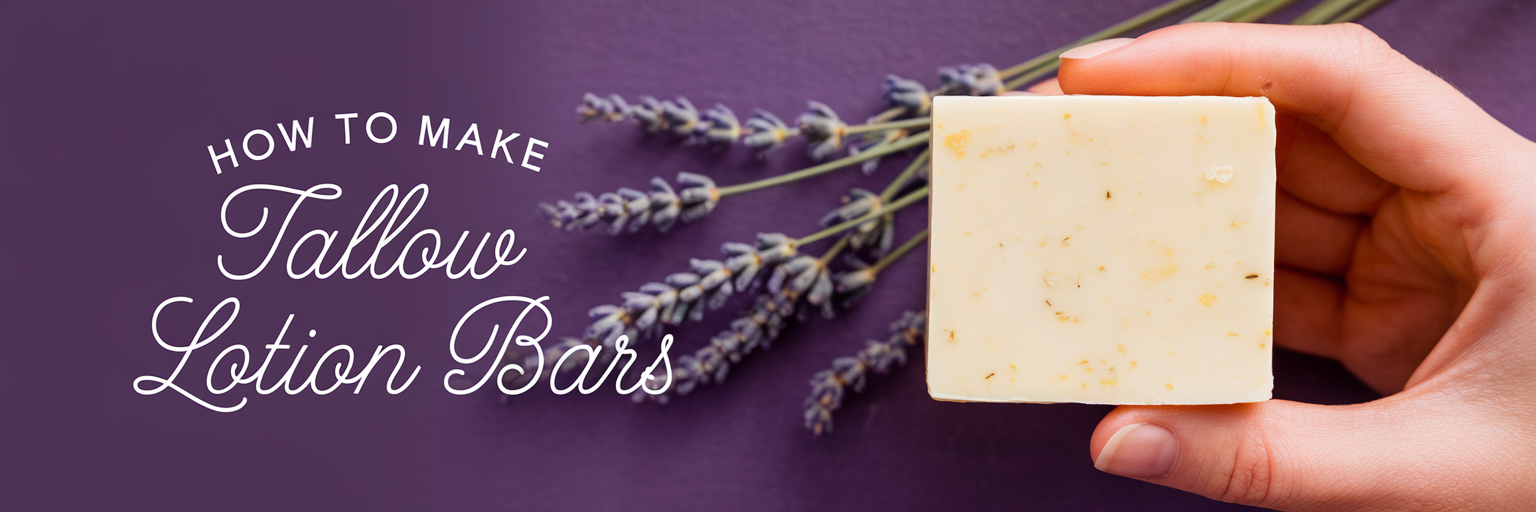
Tallow Lotion Bar Recipe
Ingredients
- ½ c beef tallow
- ½ c shea or cocoa butter
- ½ c beeswax pellets
- 20–30 drps essential oil
Essential Oils: lavender, peppermint
Instructions
- Combine tallow, shea butter, and beeswax in a double boiler. Heat gently until melted.
- Remove from heat and stir in essential oils if using.
- Pour mixture into silicone molds or muffin tins.
- Allow bars to cool and harden completely before removing from molds.
Tips & Variations
- Add a teaspoon of vitamin E oil for extended shelf life and extra skin benefits.
- Use different essential oil blends to create seasonal scents.
- Wrap cooled bars in parchment paper or store in tins for easy gifting.
- Warm the bar between your hands or glide directly onto dry areas such as elbows, heels, or hands. The heat of your skin melts the bar just enough to release its moisturizing benefits.
Final Thoughts
Homemade tallow lotion bars are simple to make, deeply hydrating, and perfect for daily use or thoughtful DIY gifts. With this recipe, you’ll have a bars of handmade lotion that delights the senses while being gentle on the skin.
Beef Tallow Soap Recipes
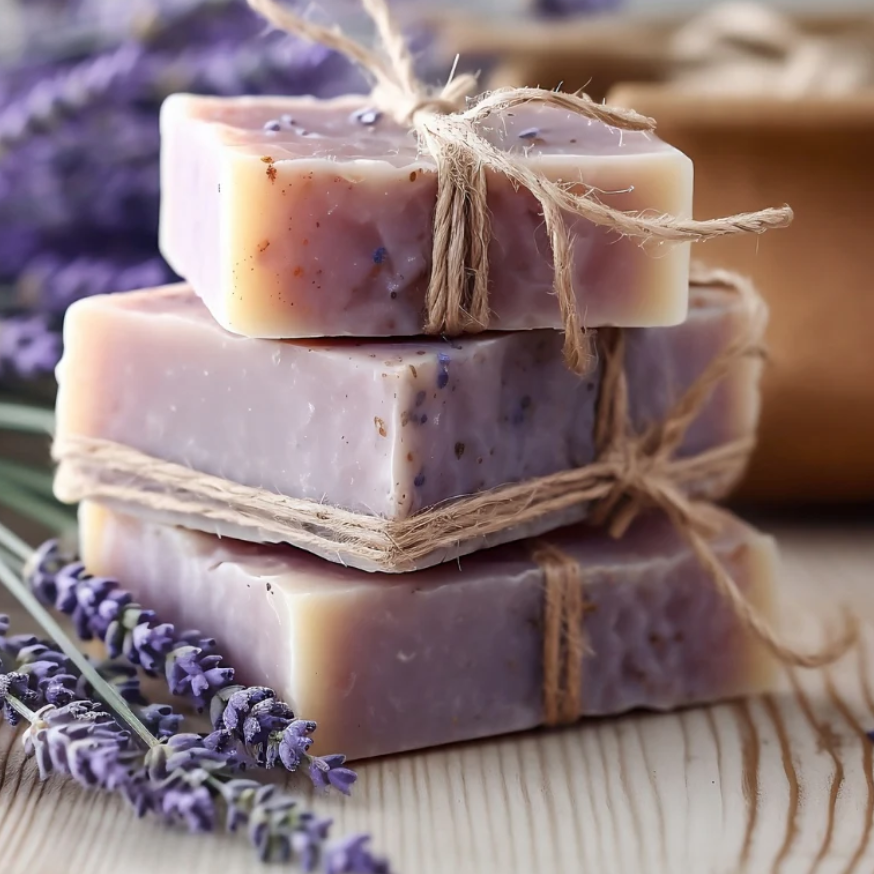
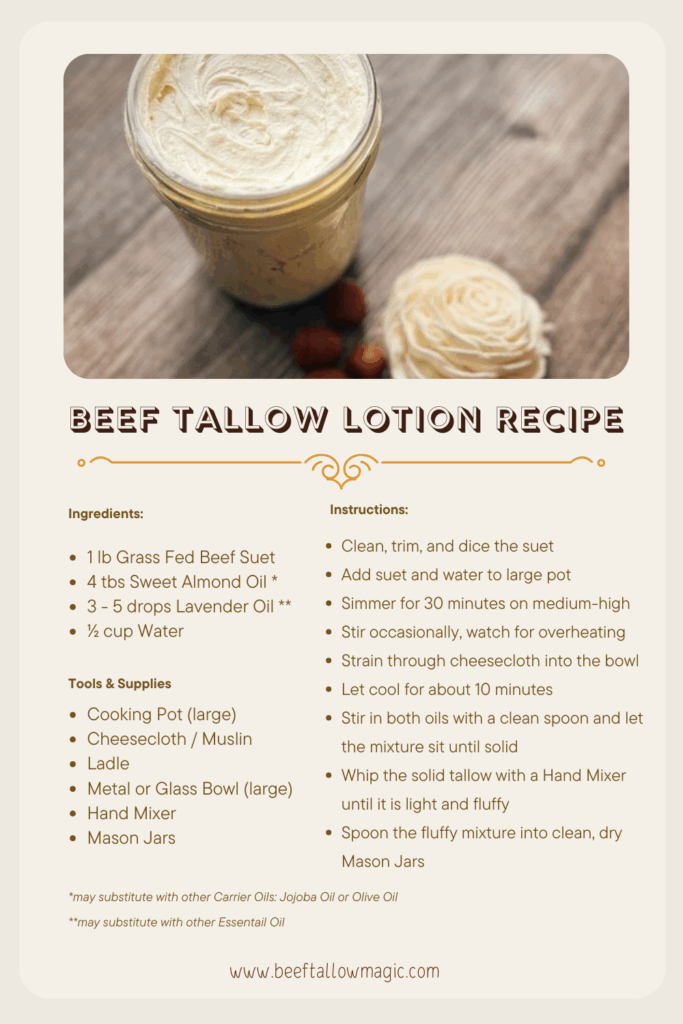
Here are four tallow soap recipes: hot & cold processes, lavender scented, and a basic one for beginners.
Beef Tallow Soap Recipe: Hot Process Method
Ingredients
- 15 oz beef tallow (rendered)
- 7.5 oz coconut oil
- 7.5 oz olive oil
- 11.4 oz distilled water
- 4.3 oz lye (sodium hydroxide)
- 0.5–1 oz essential oil (optional)
Carrier Oils: Jojoba, Avocado, etc..
Essential Oils: Bergamot, Frankincense, Lavender, etc..
Equipment Needed
- 8-quart slow cooker or crock pot
- Immersion blender
- Digital scale
- Heat-resistant glass bowls or measuring cups
- Long-handled spoon or spatula
- Protective gear: gloves, safety goggles, long-sleeved shirt
- Soap mold (lined bread pan or silicone mold)
- Thermometer (optional, for adding essential oils)
Instructions
- Measure ingredients: Carefully weigh all oils, water, and lye.
- Melt oils: Place tallow, coconut oil, and olive oil in the slow cooker on low heat until nearly melted.
- Mix lye water: Wearing gloves and goggles, add lye crystals slowly into water (never the reverse). Stir until dissolved. Allow to clear and cool slightly.
- Add lye to oils: Pour lye solution into melted oils in the slow cooker. Stir gently.
- Blend to trace: Whip with immersion blender to pudding consistency (“trace”).
- Cook: Cover & cook on low heat, stirring every 10–15 min, for 45–60 min.
- Check readiness: Look for mashed-potato texture. Ideal pH of 8 – 10
- Add essential oils: If using, wait until mixture cools to 140°F before stirring in oils.
- Mold: Spoon soap into molds, tap to remove air bubbles, and let set 24 hours.
- Cut and cure: Slice into bars. Use immediately or let cure 1 week for firmer bar.
Frequently Asked Questions
Q: How many bars will this recipe make?
A: Roughly 10 bars at about 3.5 ounces each, depending on your mold and cut size.
Q: Can I swap oils?
A: Yes, but every oil has a different saponification value. Use a soap calculator to adjust lye accordingly if substituting oils like shea butter or lard.
Q: Can this recipe be made cold process?
A: Yes. The same proportions can be used for cold process with proper curing time.
Q: What does “superfatting” mean?
A: This recipe is superfatted to 5%, meaning 5% of oils remain unreacted in the bar, adding moisture and preventing dryness.
Tips for Success
- Always add lye to water, never the other way around.
- Work in a ventilated space and wear protective gear.
- Allow bars to cure for 1–2 weeks for extra hardness, even though hot process soap can be used right away.
- Experiment with natural additives like clays, herbs, or ground oats for unique variations.
Conclusion
This hot process beef tallow soap recipe is beginner-friendly, reliable, and produces beautifully moisturizing bars. With simple oils and straightforward steps, you’ll create natural soap that is safe, sustainable, and luxurious.
Beef Tallow Soap Recipe: Cold Process Method
Ingredients
- 408 g beef tallow (rendered)
- 23 g coconut oil
- 23 g castor oil
- 120 g distilled water
- 60 g lye (sodium hydroxide)
Essential Oils: Cedarwood, Geranium, Lavender, Sage etc..
Equipment Needed
- Steel Cooking Pot
- Immersion blender
- Digital scale
- Heat-resistant glass bowls or measuring cups
- Long-handled spoon or spatula
- Protective gear: gloves, safety goggles, long-sleeved shirt
- Soap mold (silicone mold – 6 Part)
- Thermometer (optional, for adding essential oils)
Instructions
- Prepare Work Area: Ensure your work area is well-ventilated, wear protective clothing, and have all ingredients and equipment measured and ready. Keep pets and children away during soap-making.
- Make Lye Solution: Slowly add lye crystals into distilled water while stirring (never add water to lye). Allow the mixture to cool to around 125°F (52°C). Work in a safe, ventilated space and avoid inhaling fumes.
- Melt oils: Place tallow, coconut oil, and olive oil in the slow cooker on low heat until nearly melted.
- Bring to Trace: Pour the cooled lye solution into the oils. Blend with an immersion blender, alternating between pulsing and stirring, until the mixture reaches light trace (custard-like consistency).
- Add Essential Oils (Optional): Stir in essential oils at trace to mask any remaining scent of tallow. The batter will thicken further.
- Molding the Soap: Pour the soap batter into silicone molds. Smooth the tops or add designs if desired. Leave in the mold for 48 hours.
- Curing the Soap Unmold after 2 days. Place bars on parchment paper in a cool, dry, airy space. Cure for at least 4 weeks to ensure hardness and mildness before use.
Points to Remember
- This recipe is superfatted at 5% and uses a 33% lye concentration.
- If using beef tallow, increase lye to 62 g (2.19 oz) per 454 g batch.
- Other tallows (goat, deer, bear) can be swapped without changing lye amounts.
- Soap has a shelf life of up to 2 years depending on oil freshness.
Conclusion
This cold process beef tallow soap recipe is simple, sustainable, and produces creamy, nourishing bars. Whether you render your own fat or purchase ready-made tallow, you’ll enjoy crafting natural soap with a long tradition of skincare benefits.
Tallow Lavender Rosemary Soap Recipe
Ingredients
- 16 oz olive oil
- 10 oz coconut oil
- 8 oz beef tallow
- 4 oz castor oil
- 12 oz distilled water
- 4.5 oz lye (sodium hydroxide)
- 1 oz lavender oil
- 0.5 oz rosemary oil
- 1 tbsp dried lavender buds (opt)
- 1 tbsp dried rosemary leaves (opt)
Equipment Needed
- Steel Cooking Pot
- Immersion blender
- Digital scale
- Heat-resistant glass bowls or measuring cups
- Long-handled spoon or spatula
- Protective gear: gloves, safety goggles, long-sleeved shirt
- Soap mold (silicone mold – 6 Part)
- Thermometer (optional, for adding essential oils)
Instructions
- Prepare the lye solution: In a heat-safe container, slowly add the lye to distilled water (never the other way around) and stir until dissolved. Set aside to cool.
- Melt oils and tallow: Combine olive oil, coconut oil, tallow, and castor oil in a large pot. Gently heat until fully melted, then let cool to about 100–110°F.
- Combine lye and oils: When both the oils and lye solution are at similar temperatures, slowly pour the lye mixture into the oils. Blend with a stick blender until light trace forms.
- Add herbs and oils: Stir in lavender and rosemary essential oils. Fold in dried herbs if desired.
- Pour into mold: Transfer the soap mixture into a lined mold, smoothing the top.
- Cure: Let sit for 24–48 hours until firm, then cut into bars. Cure the bars for 4–6 weeks in a cool, dry place before use.
Tips & Variations
- Try adding goat’s milk for extra creaminess.
- Use lavender buds for a floral touch, or omit herbs for a smooth bar.
- Experiment with swirls using natural colorants like spirulina or clay.
Conclusion
Making lavender rosemary soap at home is rewarding and creates a bar that’s as fragrant as it is nourishing. With this recipe, you’ll have a batch of handmade soap that delights the senses while being gentle on the skin.
Beef Tallow Fries Recipe
This is a restaurant-style recipe for yielding consistently golden, crispy french fries:
Beef Tallow Fries Recipe
Ingredients
- 4 c Beef Tallow (softened )
- 4 Russet Potatoes
- 2 pch Salt
Equipment Needed
- Deep Pot or Fryer with basket
- Slotted spoon
- Thermometer
- Paper Towel
Instructions
- Peel the potatoes and slice them into fries—about 1/4 inch thick
-
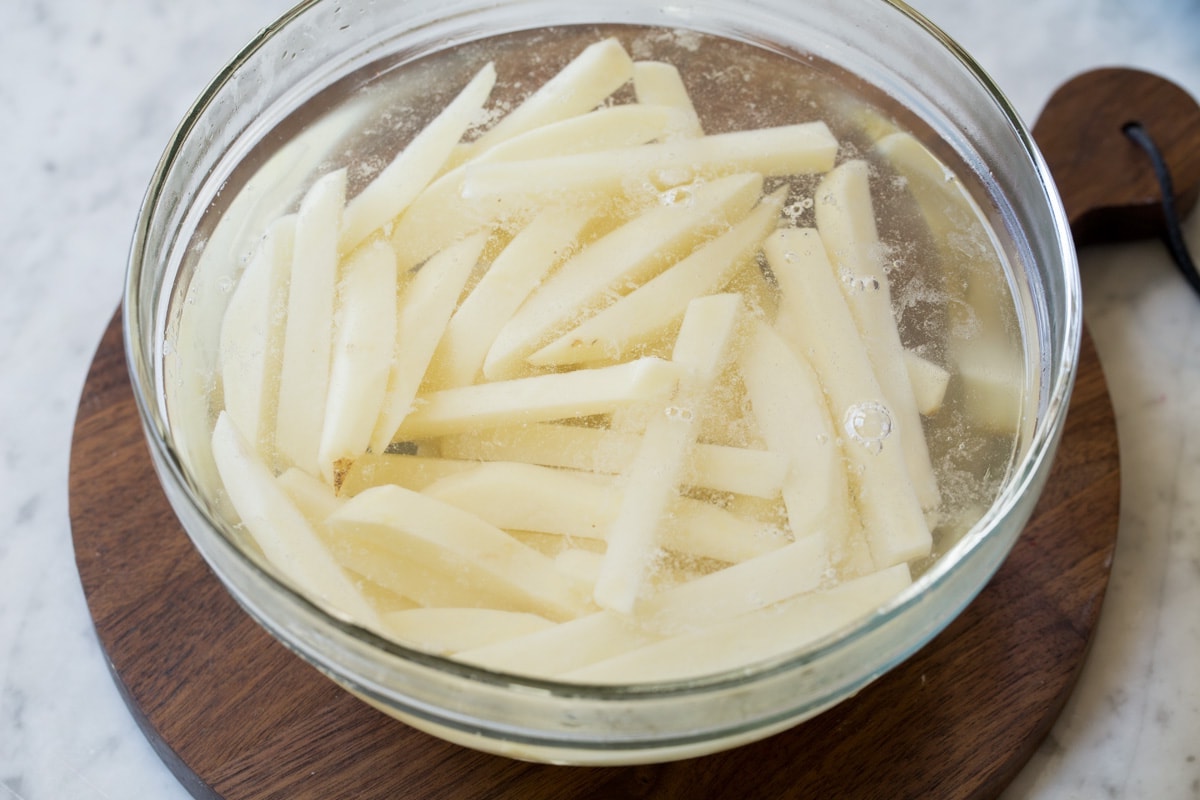
Soak fries in cold water for 1/2 hour to remove excess starch. Drain and pat dry
-
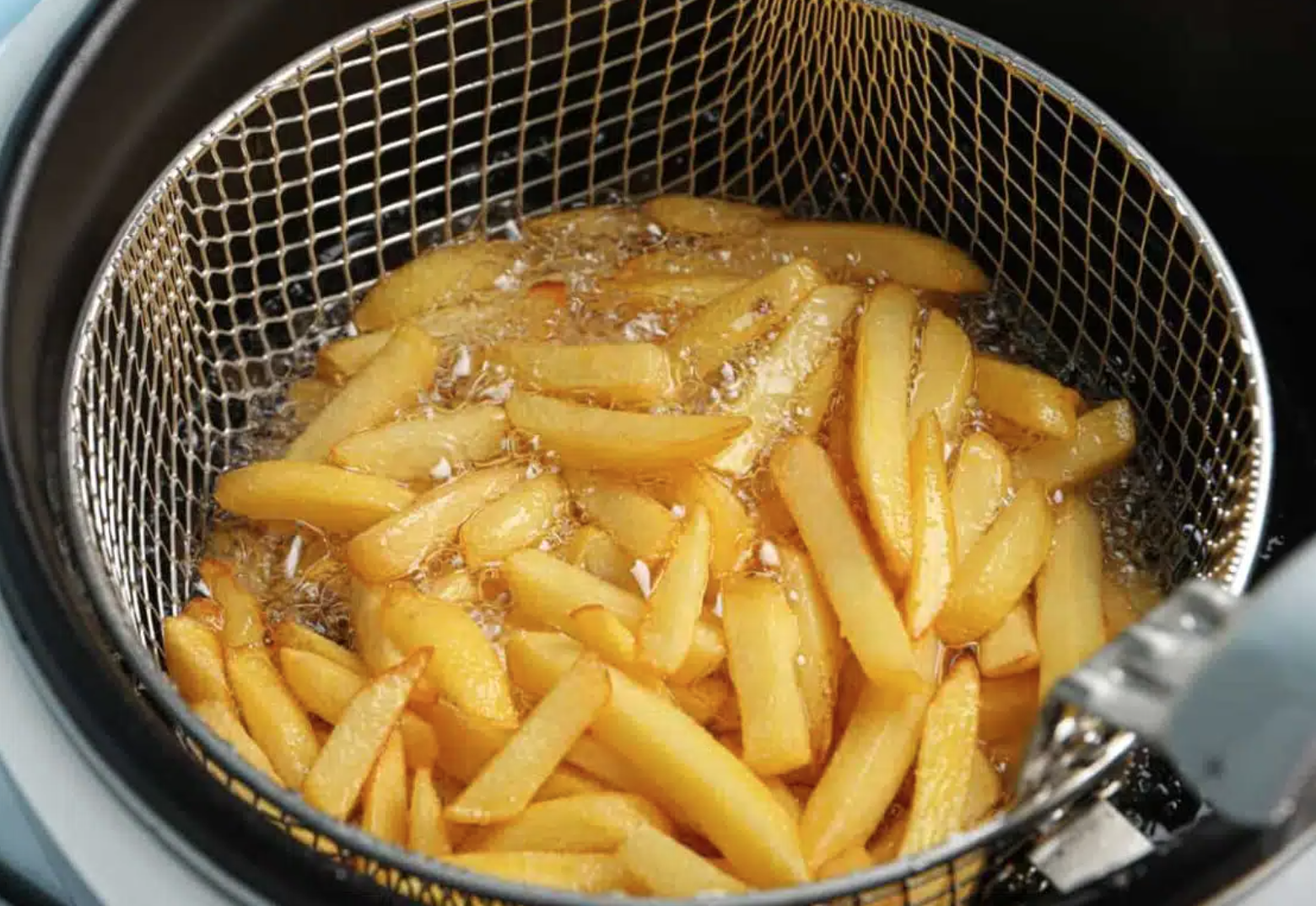
heat beef tallow to a constant 375°F, in a deep pot or fryer,
-
Add the fries to the hot tallow in small batches to avoid crowding
-
For regular fries: fry for about 6 or 7 minutes until crisp and golden. Remove with slotted spoon, drain, and sprinkle with salt while hot
-
For extra-crispy texture fries: cook 3–4 minutes until just starting to firm, remove from oil, drain & rest for 7–9 minutes. Return to fryer and cook for additional 3 minutes. Remove with slotted spoon, drain, and sprinkle with salt while hot.
Tips & Tricks
- Potatoes: Russets make the crispiest fries, while Yukon Golds add richer flavor with almost the same crunch.
- Prep: Peel or leave skins on (scrub well if unpeeled). Cut into uniform size so that they cook at the same rate. A French fry cutter speeds up prep and keeps sizes consistent.
- Tallow: You can render your own, but buying high-quality grass-fed tallow (like from Fatworks) saves time and gives consistent results.
- Equipment: A small stainless steel basket for your pot is ideal—it keeps batches manageable and makes draining easy.
Re-using Your Tallow
- Reusable Oil: Beef tallow can be reused for multiple fry batches, saving time and money.
- Strain After Use: Let oil cool, then strain through a fine mesh or cheesecloth to remove food particles.
- Proper Storage: Keep strained tallow in an airtight container; it stays fresh for 4–6 weeks.
- Flavor & Quality: Reuse enhances fry flavor and reduces cost, but replace if clarity fades or fries taste greasy.
- Batch Life: With thorough filtering, the same tallow can be reused 6–8 times.
Where to Find Quality Beef Tallow
Good chefs, like good crafters are only as good as their tools and supplies. A rich, nourishing tallow-based lotion must begin with high quality tallow. And that fat should be grass-fed, all natural, kidney fat which which is known to produce the cleanest tallow. Of course, you can render your own tallow from beef-fat, or you can press the easy button, and just purchase a top quality, shelf-stable tallow from a trusted supplier. Depending on which camp you are in, read out our discussion about rendering beef fat for tallow , or check out the proven ready-made tallow products below:
1. Premium Grass Fed Beef Tallow Fat: Fat Lady Tallow
This is a clean, high-quality tallow ideal for skincare, cooking, and crafting. Made in Wisconsin from 100% grass-fed, 100% grass-finished, humanely raised cattle, it is pure and minimally processed.
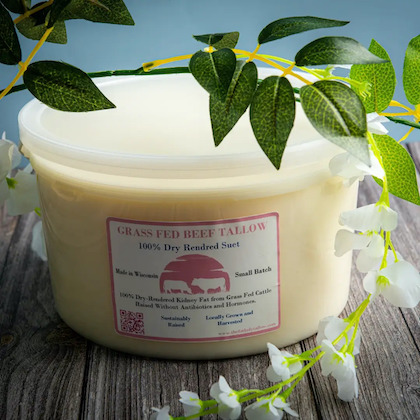
- dry-rendered, double-filtered
- USDA inspected
- natural – medium hard consistency
- small-batch production
- all natural chemical free
Spectacular! Great product for soap making! No beef smell and consistent product of all the buckets I ordered. – Sherry D.
2. Grass Fed Beef Tallow: AllFat
Produced in British Columbia from 100% Canadian cattle, this kidney fat tallow is a versatile fat that works beautifully for cooking, baking, and as a base in crafting homemade moisturizers, soaps, and candles.
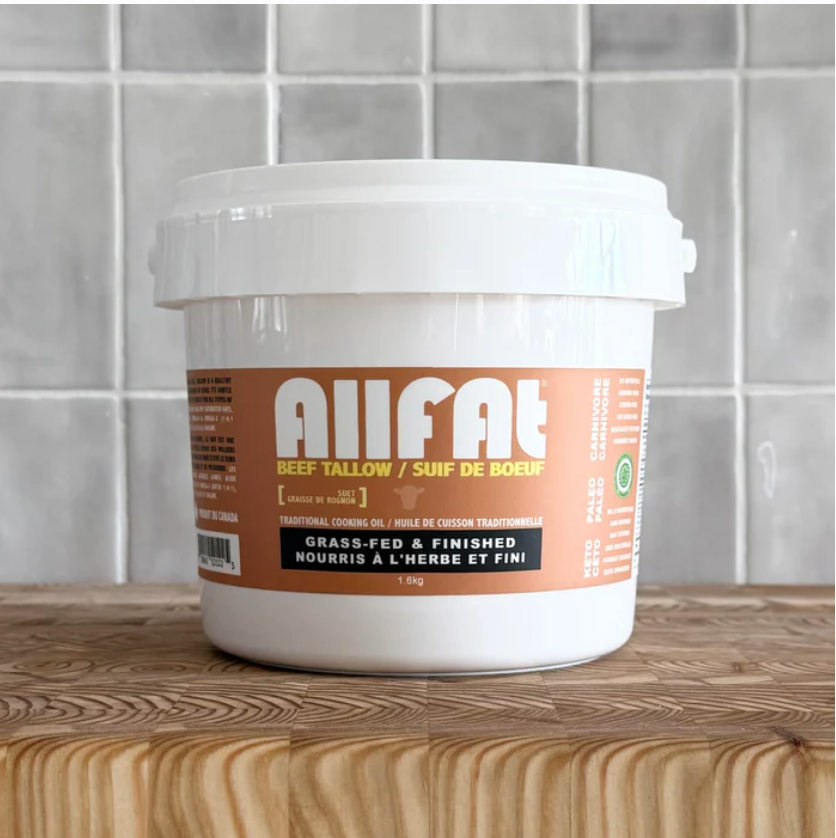
- 100% grass fed & finished
- halal certified
- 1.6 kg tubs
- antibiotic & hormone free
I bought my first tub of tallow last year and just resupplied. I like the tallow so much I also purchased a second tub for a house warming gift for a friend. I am a carnivore and cook daily with the tallow. Excellent product, all it is described. – Jason R.
FAQ
What are the benefits of using beef tallow face cream?
Beef tallow face cream is packed with vitamins A, D, E, and K, along with fatty acids that closely mimic the natural oils of human skin. This makes it deeply moisturizing, soothing for irritation, and supportive of healthy, glowing skin.
Is beef tallow face cream good for sensitive skin?
Yes, beef tallow is naturally gentle and non-comedogenic, meaning it won’t clog pores. It can help calm redness, dryness, and irritation, making it ideal for sensitive or delicate skin types.
Why make beef tallow face cream at home?
Homemade tallow face cream lets you skip artificial additives and fragrances, while customizing the formula with oils and essential oils that suit your skin’s unique needs. It’s also more cost-effective than many commercial creams.
Does beef tallow face cream feel greasy?
No, when properly whipped or blended with lighter oils, tallow face cream absorbs quickly into the skin. It leaves a soft, silky finish rather than a heavy or oily residue.
Can beef tallow face cream help with aging skin?
Yes, the vitamins and antioxidants in beef tallow nourish the skin barrier, supporting elasticity and reducing the appearance of fine lines and dryness over time.
How long does homemade beef tallow face cream last?
Properly stored in a clean, airtight container, beef tallow face cream can last up to 6 months at room temperature. Keeping it in a cool, dark place helps preserve freshness even longer.
What ingredients do I need to make beef tallow face cream?
A basic recipe calls for rendered beef tallow, a nourishing oil such as olive or jojoba, and optional essential oils for fragrance. Some recipes also include beeswax for a firmer texture.
Do I need special equipment to make beef tallow face cream?
Not much — usually just a double boiler (or heatproof bowl over a pot), a mixing bowl, and a hand mixer or whisk. Clean glass jars are ideal for storing the finished cream.
How do I make whipped beef tallow face cream?
First, gently melt the tallow and oil together, then let the mixture cool until semi-solid. Whip with a hand mixer until it becomes light and fluffy, then stir in essential oils if desired.
Can I customize my beef tallow face cream recipe?
Absolutely! You can adjust the ratio of tallow to oils for a lighter or richer cream, or add essential oils, vitamin E, or herbal infusions to suit your skin’s needs.
How do I store homemade beef tallow face cream?
Store it in a clean, airtight container away from direct sunlight. Glass jars with tight-fitting lids work best, and refrigeration can extend the shelf life.
Wrapping It All Up
Making your own beef tallow face cream is not only simple and cost-effective, but it also gives you complete control over what touches your skin. By choosing wholesome, natural ingredients, you avoid synthetic fillers while benefiting from the nourishing vitamins and fatty acids tallow provides. Whether you whip it into a silky cream or blend it into a balm, DIY recipes allow you to tailor texture, scent, and richness to your own needs. In the end, crafting your own tallow moisturizer highlights the timeless power of traditional skincare—affordable, sustainable, and incredibly effective.