


Beef Tallow for Skin: Nature’s Timeless Moisturizer
If you’ve been exploring natural skincare, you may have noticed a surprising old-world ingredient making its way back into the spotlight: beef tallow for skin. While it may sound unusual at first, this traditional fat has been trusted for centuries to soften, protect, and heal skin — and for good reason. Today, many people are rediscovering its benefits as a safe, nutrient-rich alternative to commercial lotions and creams.
Let’s walk through everything you need to know about beef tallow for skin, from its history and nutrition to DIY recipes, research, and practical tips.

Why Beef Tallow for Skin?
Beef tallow is simply rendered beef fat that has been purified and transformed into a smooth, creamy balm. When fat is gently heated and strained, it becomes shelf-stable and odor-neutral — perfect for skincare. Unlike processed cosmetics filled with chemicals and preservatives, beef tallow is a whole, natural product.
A Look Back: Tallow in History
Our ancestors didn’t have access to synthetic creams or fancy serums. Instead, they turned to what was available, and beef tallow was one of the most trusted remedies. In Roman times, it was used for both soap and salves. Pioneer families rubbed it on chapped hands during cold winters. Its enduring presence across cultures is proof of how effective and versatile it really is.
What Makes Tallow Special? Its Nutrient Profile
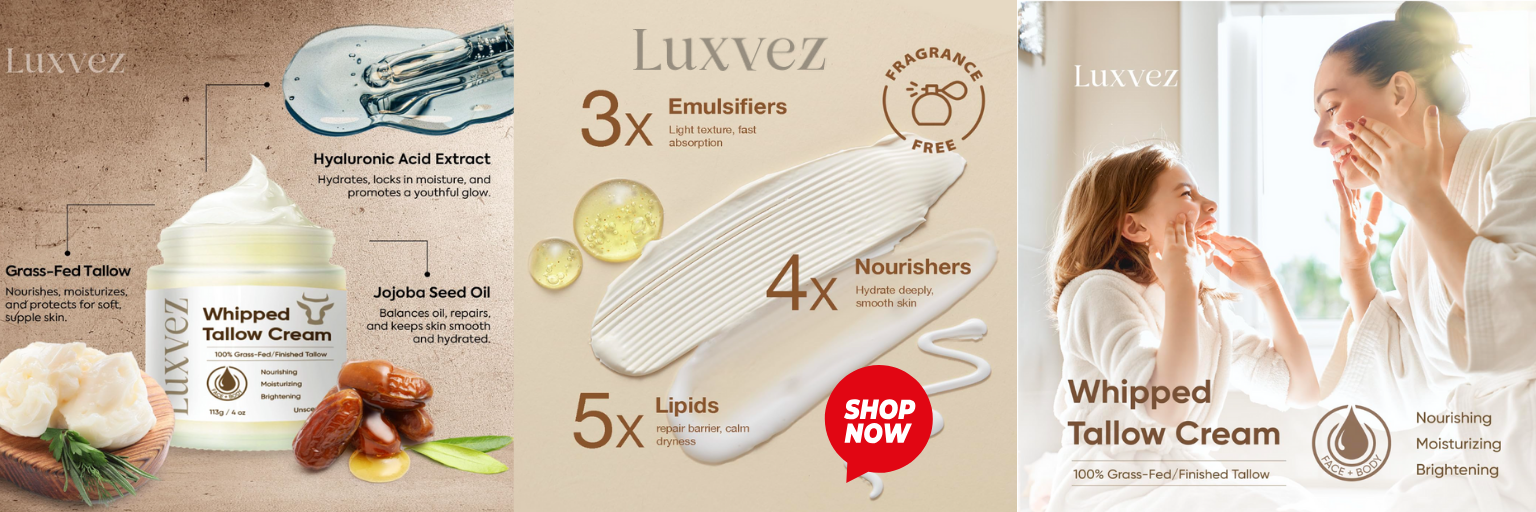
So why does beef tallow work so well on skin? The secret lies in its composition. It’s packed with:
- Vitamins A, D, E, and K that support skin renewal and repair.
- Stearic and palmitic acids that strengthen the skin barrier.
- Oleic and linoleic acids that keep skin supple and moisturized.
What’s more, its fatty acid balance is remarkably similar to the oils our own skin produces. This means your skin “recognizes” it and absorbs it easily, without feeling greasy.
Moisture That Lasts
If you struggle with dry or flaky skin, beef tallow may quickly become your favorite moisturizer. Unlike water-based creams that evaporate, tallow forms a breathable layer that locks in hydration. Many people notice their skin feels nourished and soft hours after applying — without the need to constantly reapply.

Strengthening the Skin Barrier
Your skin barrier is your body’s first defense against irritants, pollutants, and water loss. When it’s compromised, skin can become dry, itchy, and inflamed. Beef tallow helps reinforce this barrier by supplying the same building blocks your skin uses naturally. With regular use, you may find your skin more resilient and less prone to irritation.
Calming Inflammation and Promoting Healing
Redness, itching, or irritation — tallow has long been used to soothe them all. Its anti-inflammatory properties make it gentle enough for sensitive conditions like eczema or rosacea. People also find it helps minor cuts, scrapes, or rashes heal faster by protecting the skin while it recovers.
Supporting Youthful Skin
While no cream can turn back time, beef tallow offers real anti-aging support. Its antioxidants (especially vitamins A and E) combat free radicals, while its fatty acids encourage collagen stability and elasticity. The result? Softer fine lines and a healthy, natural glow when used consistently.
Tallow vs. Modern Skincare
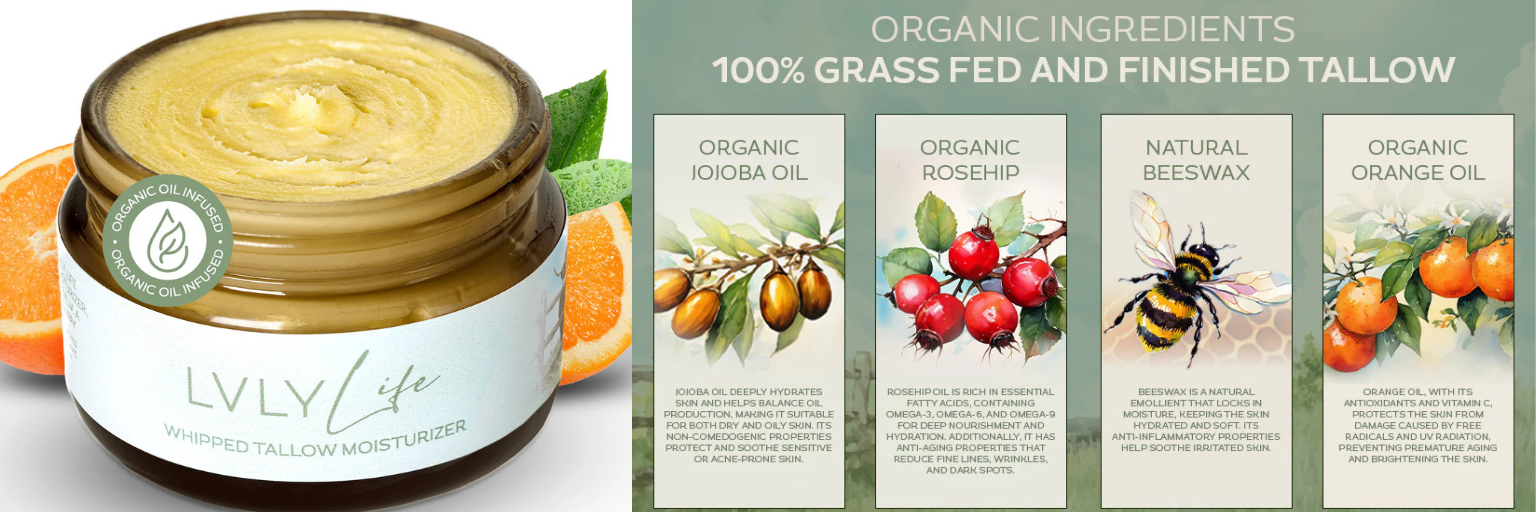
Pick up a bottle of conventional lotion, and you’ll often see a long list of unpronounceable ingredients. Many of these are petroleum derivatives, synthetic fragrances, or preservatives. Beef tallow, by contrast, is simple, pure, and free of toxins. And because it blends beautifully with natural oils and herbs, you can customize it at home for exactly what your skin needs.
Everyday Ways to Use Beef Tallow for Skin
- Whip it into a luxurious face cream.
- Mix with beeswax for a protective body balm.
- Use it in soap recipes for a hard, moisturizing bar.
- Turn it into a nourishing lip balm or chapstick.
- Combine it with zinc oxide to create a natural sunscreen base.
DIY Recipes and Tips
Making your own tallow skincare products is easier than you think:
- Render beef fat by slowly melting and straining it until clear.
- Whip with olive or jojoba oil for a lighter texture.
- Customize by adding a few drops of essential oils like lavender or chamomile.
- Store in a glass jar with a tight lid. Properly made, it will last months at room temperature.
Once you try it, you may find yourself reaching for your homemade tallow cream more often than anything store-bought.
What Science Says: Research on Tallow in Skincare
Modern science is beginning to back up what traditional wisdom has always known. A few highlights include:
- Hydration studies show that creams with tallow improve skin moisture better than many conventional lotions.
- Animal models of eczema reveal significant improvement when treated with tallow enriched in omega-3s.
- A 2024 review of 19 studies concluded that high-fat emulsions (including tallow-based ones) consistently support hydration and barrier repair, though more human trials are still needed.
Q&A: Your Beef Tallow for Skin Questions Answered
Q: Is beef tallow safe for sensitive skin?
A: Yes. Because it mimics natural sebum, it’s generally well tolerated. Try a patch test first.
Q: Will beef tallow clog pores?
A: No. Pure tallow is non-comedogenic for most people and absorbs easily.
Q: Can it help eczema or psoriasis?
A: Many users report soothing relief, thanks to its calming, protective nature.
Q: How does it compare with coconut oil?
A: Tallow is closer to our skin’s natural oils, while coconut oil can clog pores for some.
Q: Can I use it daily on my face?
A: Absolutely. A pea-sized amount after cleansing is usually enough.
Q: Does it fight wrinkles?
A: Its vitamins and fatty acids support elasticity and collagen, softening fine lines.
Q: How do I make whipped tallow cream?
A: Melt, strain, whip with a carrier oil, and add essential oils for fragrance.
Q: Does it smell like beef?
A: Properly rendered tallow is neutral. A strong odor means it wasn’t processed correctly.
Q: How long does it last?
A: Stored in a jar, tallow cream can last 6–12 months at room temperature.
Q: Where can I buy quality tallow?
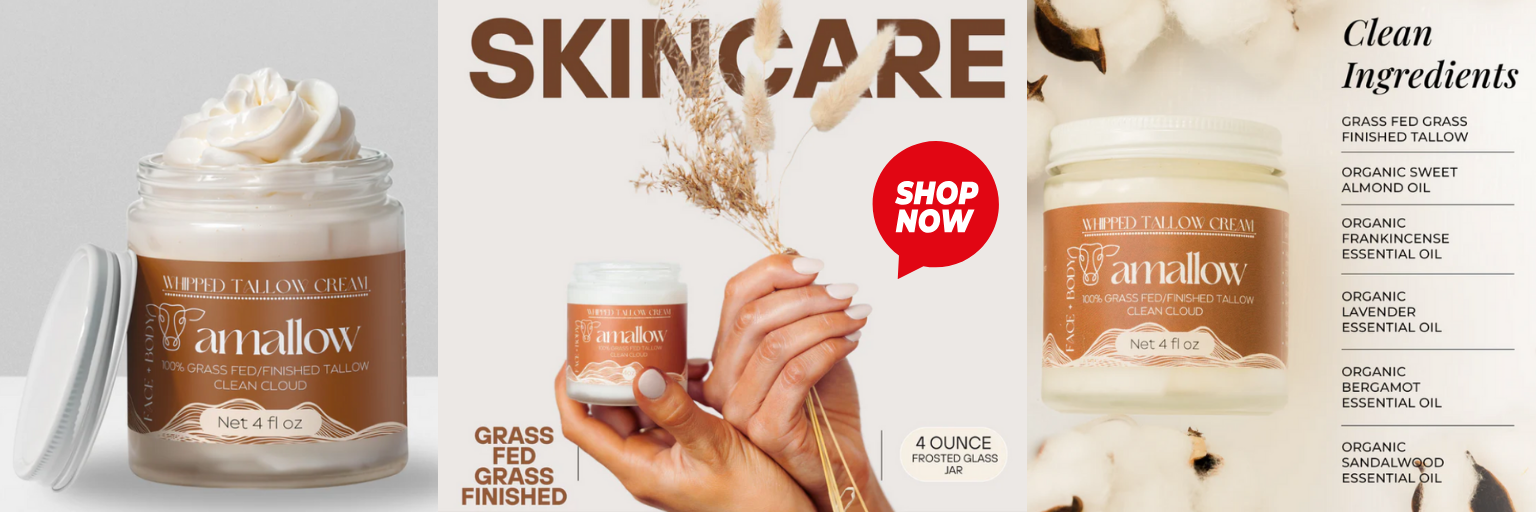
A: Look for grass-fed, pasture-raised tallow from local butchers or trusted online suppliers.
Final Thoughts about Beef Tallow for Skin Care
Beef tallow for skin may be old-fashioned, but sometimes the simplest solutions are the most powerful. If you’re looking for a natural, nutrient-rich moisturizer that truly works with your body, it may be worth bringing this traditional remedy back into your routine.


